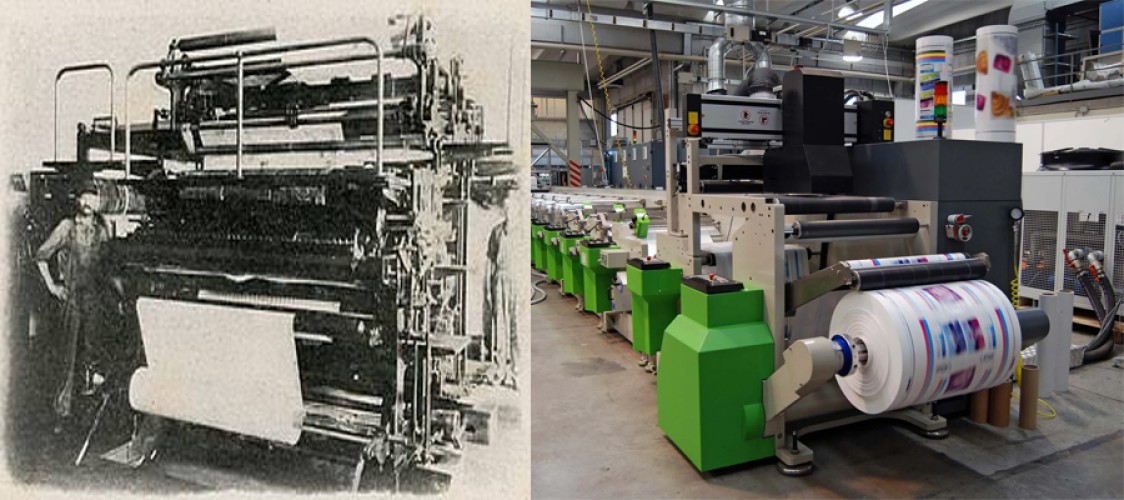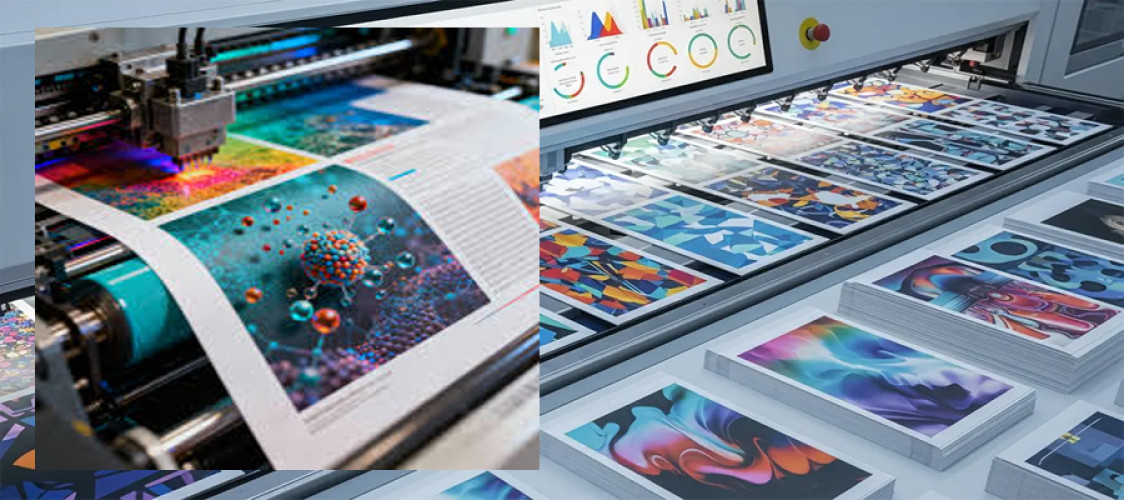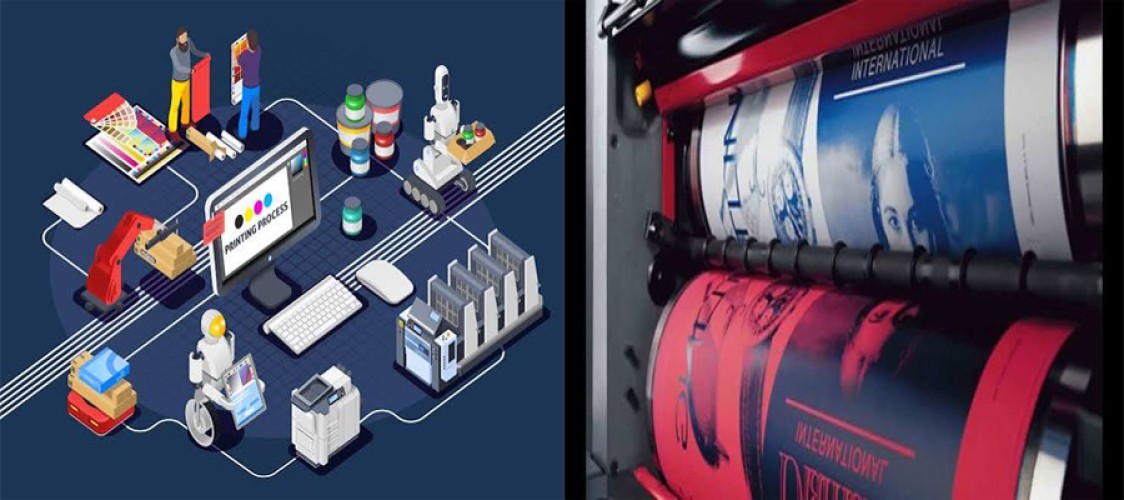
The printing process involves three main phases: prepress (file preparation and plate/stencil making), press (transferring ink or dye via digital printers, offset plates, or screens), and post-press (drying, fixing, cutting, or binding the final product). The exact steps depend on the medium, whether it's on textiles, paper, or packaging.
Textile Printing Processes
Printing on fabrics applies colorants in specific patterns and bonds them deeply to the fibers. The industry-standard methods include:
Textile School
Digital Textile Printing: Uses inkjet technology to spray tiny droplets of dye directly onto the pre-treated fabric, controlled by design software.
Screen Printing: Employs a mesh screen and stencils to press ink or dye paste through the open areas of the design onto the fabric. This is done using flatbed screens or high-speed rotary cylinders.
Heat Transfer Printing: Designs are printed onto a flexible transfer paper, which is then heated and pressed against the fabric so the solid dye vaporizes and penetrates the fibers.
For an inside look at how digital direct-to-fabric printing operates from pre-treatment to the final steaming phase:
Paper and Commercial Printing
For books, magazines, and packaging, processes are distinguished by how the image is transferred:
Offset Lithography: The dominant method for long, high-quality runs. The image is transferred from a metal plate to a rubber blanket cylinder, and then pressed onto the paper.
Digital Printing: Best for short runs and on-demand projects. It sends digital data straight to the printer, similar to a high-capacity office or home printer.
Rotogravure: Involves engraving images onto a heavy cylinder and rolling it onto ink-coated paper, typically used for high-end packaging and magazines.
Michael Package
For more details on the techniques and modern mechanical approaches, explore Printing Process | CottonWorks™ or the comprehensive overview on Different Types of Textile Printing Methods.
If you can tell me what material you are looking to print on (such as cotton fabric, polyester, or paper) and the volume of the project, I can help you select the most cost-effective printing method.




Copyright © 2026 LIMRA Exhibitions. All Rights Reserved.
Website Design & Development ♡ MY SOFT IT
 EN
EN
 Chinese
 Turkish
 Indonesian
 German
 French
 Spanish
 Portuguese
 Russian
 Italian